
Ever wonder why it’s called a pug mill? The name comes from “pugging,” an old word for working wet clay by hand until it’s smooth and workable. The term first showed up in English print in the 1820s. Back then, it described machines used in brickmaking as much as pottery. The name has stuck for two centuries, even as the machines themselves have changed completely.
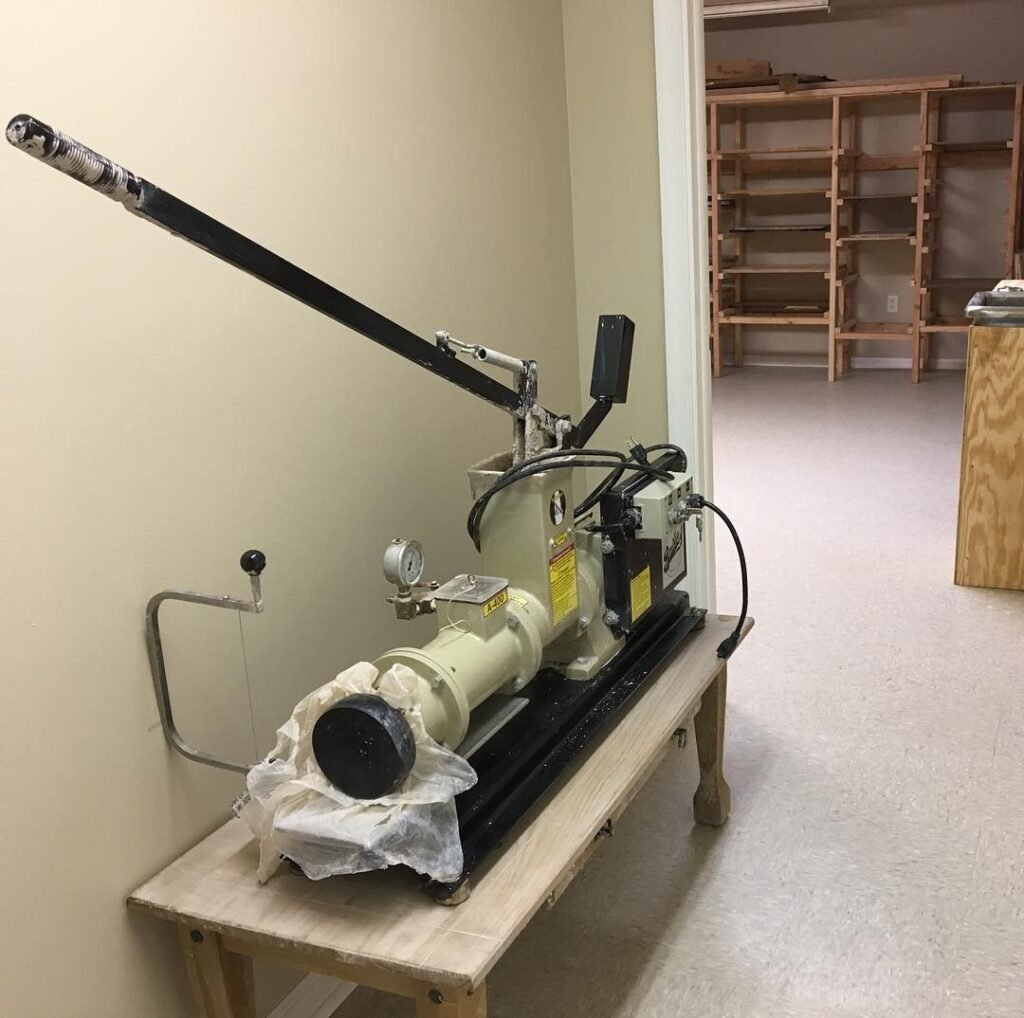
This guide covers where the term actually comes from. It also covers how its meaning has stayed remarkably steady over time.
Why It’s Called a Pug Mill: The Real Origin of “Pugging”
To “pug” clay meant to work it by hand or machine until it felt smooth and even. Old dictionaries define pugging as making clay more uniform. That makes it easier to shape, whether for throwing or molding.
The term “pug mill” first shows up in English records around 1824. Both Merriam-Webster and the Oxford English Dictionary confirm this date. That makes it one of the older pieces of gear-shop language still in daily use across pottery studios today.
Brickmaking Came First
Long before pug mills became common studio gear, they were industrial machines built for brickmaking and construction. Even then, early written records describe pug mills processing clay for tile and brick work, not pottery specifically.
One old account describes the pug mill simply as “trough, shaft, and knives.” That plain description still holds up today. It matches the basic setup inside modern machines.
Why the Name Never Changed
Pug mills have come a long way. They went from hand-cranked gear to today’s electric, vacuum de-airing studio machines. Even so, the core job stayed the same. They mix and condition clay into a workable state. That’s exactly what “pugging” always meant.
Names for tools often outlive the exact tech behind them. A pug mill from the 1820s and a modern vacuum de-airing pug mill do the same basic job. They just carry very different engineering behind that job.
What This Means for You as a Buyer
This bit of history helps make sense of related terms you’ll see while shopping. “Pugging” still shows up as a verb in manuals and product listings. It refers to the actual clay-conditioning work the machine performs.
Ready to See a Modern Pug Mill in Action?
Browse our complete pug mill collection to compare today’s models. Every one is built on the same basic idea from two centuries ago.
