
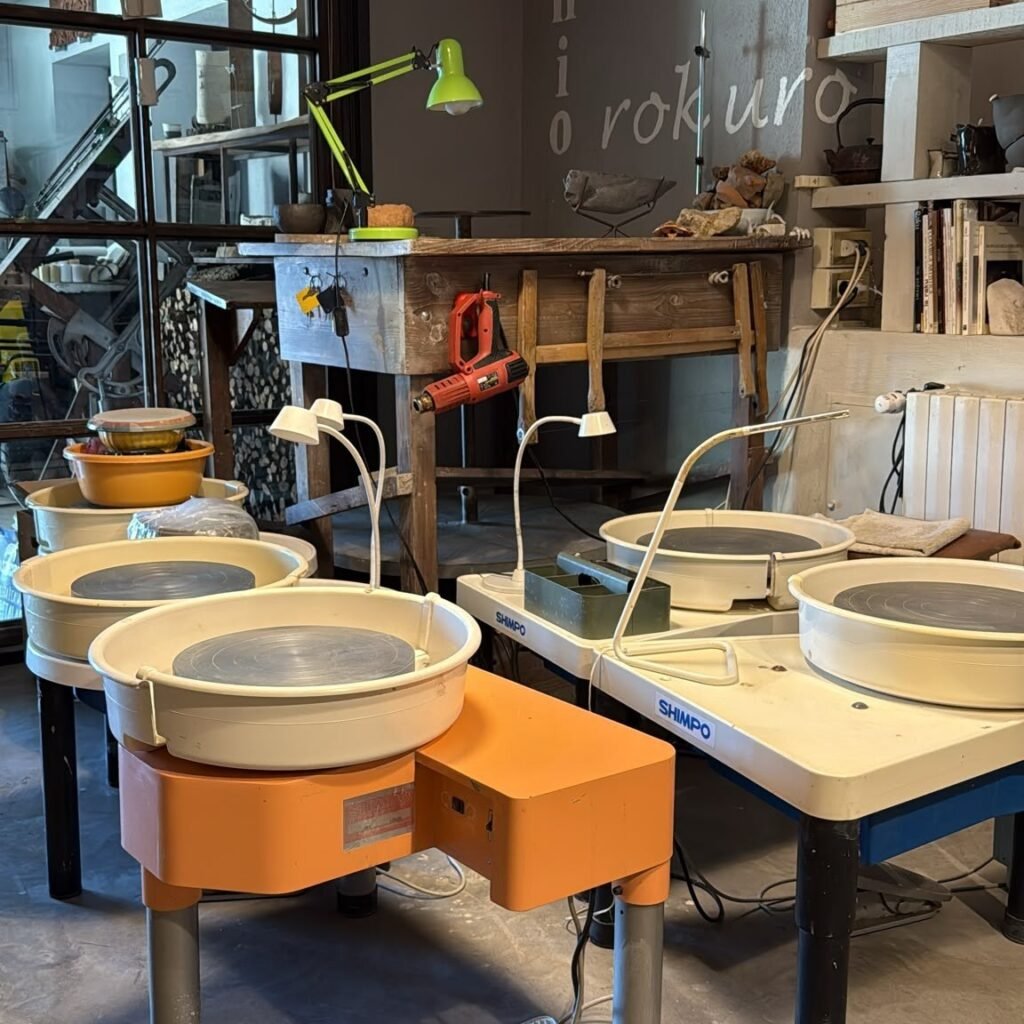
Direct-drive vs belt-drive comes down to how the motor connects to the wheel head. Direct-drive wheels like the Shimpo VL-Whisper use a magnetic motor system with no belt at all. Belt-driven wheels like Brent and Speedball models use a physical belt to transfer power from motor to wheel head. Each system has real, practical tradeoffs in daily use.
This guide covers what actually changes between the two systems, not just which sounds more advanced.
How Direct-Drive Works
A direct-drive motor connects to the wheel head through a magnetic system, with no physical belt involved. This removes belt friction entirely, which is the main reason direct-drive wheels run so much quieter.
Fewer moving parts also means less to wear out over time. There’s no belt to replace, stretch, or slip under load.
How Belt-Drive Works
A belt-driven motor spins a pulley connected to the wheel head by a physical belt. This is the traditional design used by Brent and many Speedball wheels, refined over decades of production use.
Belt systems handle heavy, sustained loads well and have a long track record in busy shared studios. The tradeoff is more noise and, eventually, belt wear that needs replacing.
Direct-Drive vs Belt-Drive: The Biggest Practical Difference
Direct-drive wheels run noticeably quieter, since there’s no belt friction generating sound. The Shimpo VL-Whisper runs around 48 decibels at full speed, close to light rainfall.
Belt-driven wheels run louder over time. This is especially true as belts age or wheel heads take on water damage over years of shared studio use. New belt-drive wheels are reasonably quiet, but that quiet tends to fade.
Torque and Heavy-Duty Use
Belt-drive wheels have a long history in production studios precisely because they handle heavy, repeated use well. Many potters report strong, dependable torque under sustained heavy loads.
Direct-drive wheels also deliver strong torque. Some potters who’ve thrown large amounts of clay on both systems describe belt-drive as feeling slightly more forceful under very heavy loads, though.
Which System Fits Your Situation
Choose direct-drive if noise is a real constraint in your space. This includes an apartment or a room near sleeping family. Choose belt-drive if you’re in a garage or dedicated studio where noise doesn’t matter. That’s especially true if you want proven durability under heavy daily use.
Quiet Direct-Drive Option: Shimpo VL-Whisper
Magnetic direct-drive motor, near-silent operation, and a five-year warranty backing the system.
Ready to Choose Your Drive System?
Browse our complete pottery wheel collection to compare direct-drive and belt-drive options side by side.
