
Pottery wheel maintenance mostly comes down to a few simple habits done regularly. Regular cleaning, occasional lubrication, and checking your belt and wheel head for wear cover most of what a wheel needs. Well-built wheels need surprisingly little upkeep beyond this, but skipping it entirely does shorten a wheel’s working life.
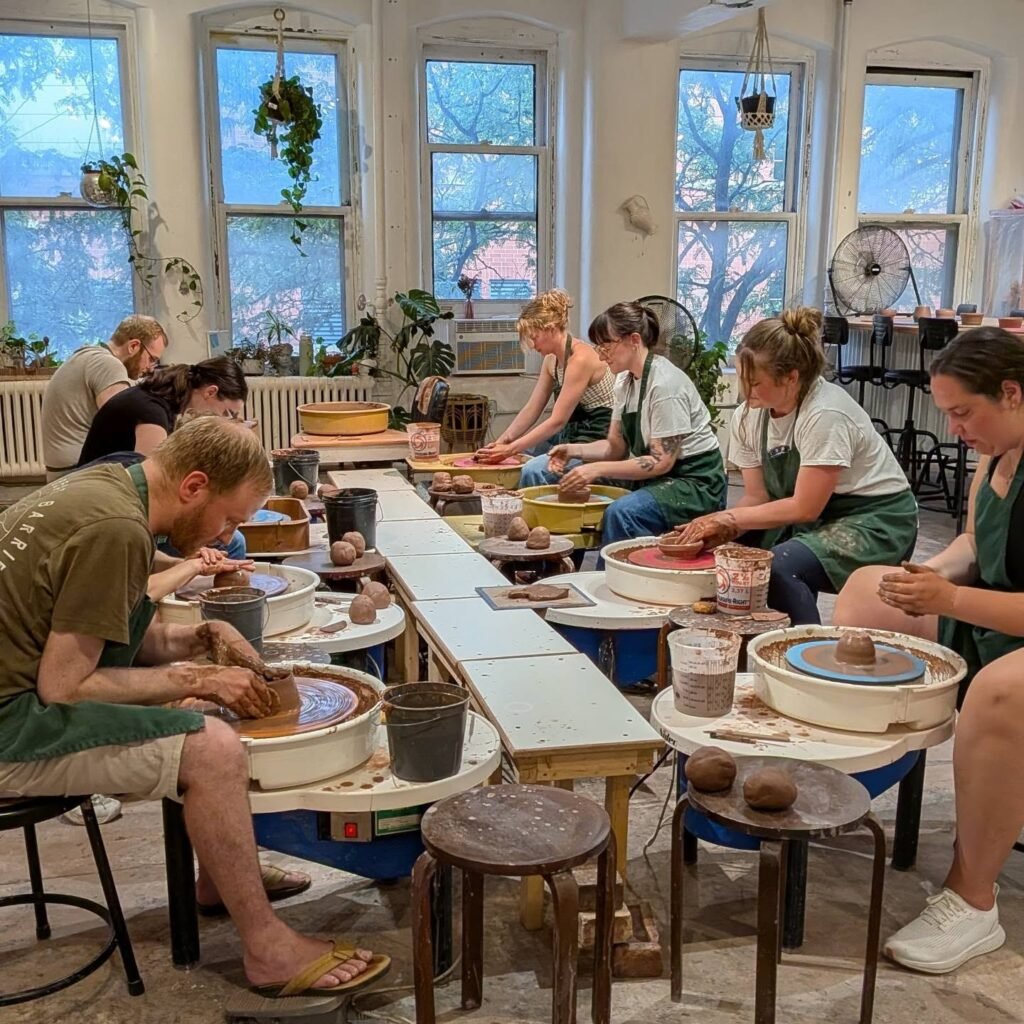
This guide covers the maintenance that actually matters, and how often to do each task.
Pottery Wheel Maintenance: Daily Habits After Every Session
Wipe down the wheel head and surrounding tray before clay has a chance to dry. Never hose down your wheel with water. Getting moisture inside the motor or onto a circuit board is one of the fastest ways to cause real damage.
Remove the splash pan before cleaning it on its own, rather than washing it while still attached. This protects the bearing shaft underneath from slurry and water damage.
Monthly Habits: A Deeper Clean
Once a month, take a closer look at the parts daily cleaning tends to miss. Check your belt and drive parts for signs of wear, and check the wheel head for wobble.
A small dab of anti-seize paste on the wheel head shaft keeps it from seizing over time. This coating can wear off during regular cleaning, so check it now and then and reapply as needed.
Annual Habits: Lubrication
Bearings usually need oil once or twice a year, depending on how often you use your wheel. Most electric wheel motors come pre-oiled from the factory and need no added grease.
Check your maker’s own guidance before adding oil yourself, since too much grease can cause its own problems.
Signs Something Needs Attention
A wobbling wheel head usually means it’s come loose and needs tightening. Uneven speed often points to a worn or loose belt.
Unusual grinding or knocking noises are worth checking right away. Don’t wait to see if they go away on their own.
Low-Maintenance Wheel: Shimpo Aspire
Built to last, this wheel needs only basic upkeep to keep running well for years.
Ready to Keep Your Wheel Running Smoothly?
Browse our complete pottery wheel collection to find a wheel built to hold up over the long run.
