
The Peter Pugger VPM-7 is genuinely marketed as a single-potter studio machine. It’s not built as a classroom tool for shared, heavy daily use. Its 14-pound batch capacity works well for one person’s regular reclaim. A busy teaching studio with multiple students generates far more scrap clay than one VPM-7 can comfortably handle. Whether it’s actually enough depends on your class size and how often students are reclaiming clay.
This guide covers what the VPM-7 is really built for. It also covers when a teacher needs to look at a larger option instead.
What the VPM-7 Is Actually Designed For
Peter Pugger built the VPM-7 in response to potters asking for something smaller. They wanted an option more affordable than Peter Pugger’s full-size machines. Their own marketing frames it around a real customer question. That question was simple: when would Peter Pugger make something small for single potter studios? That framing matters. It tells you exactly who the machine was designed around.
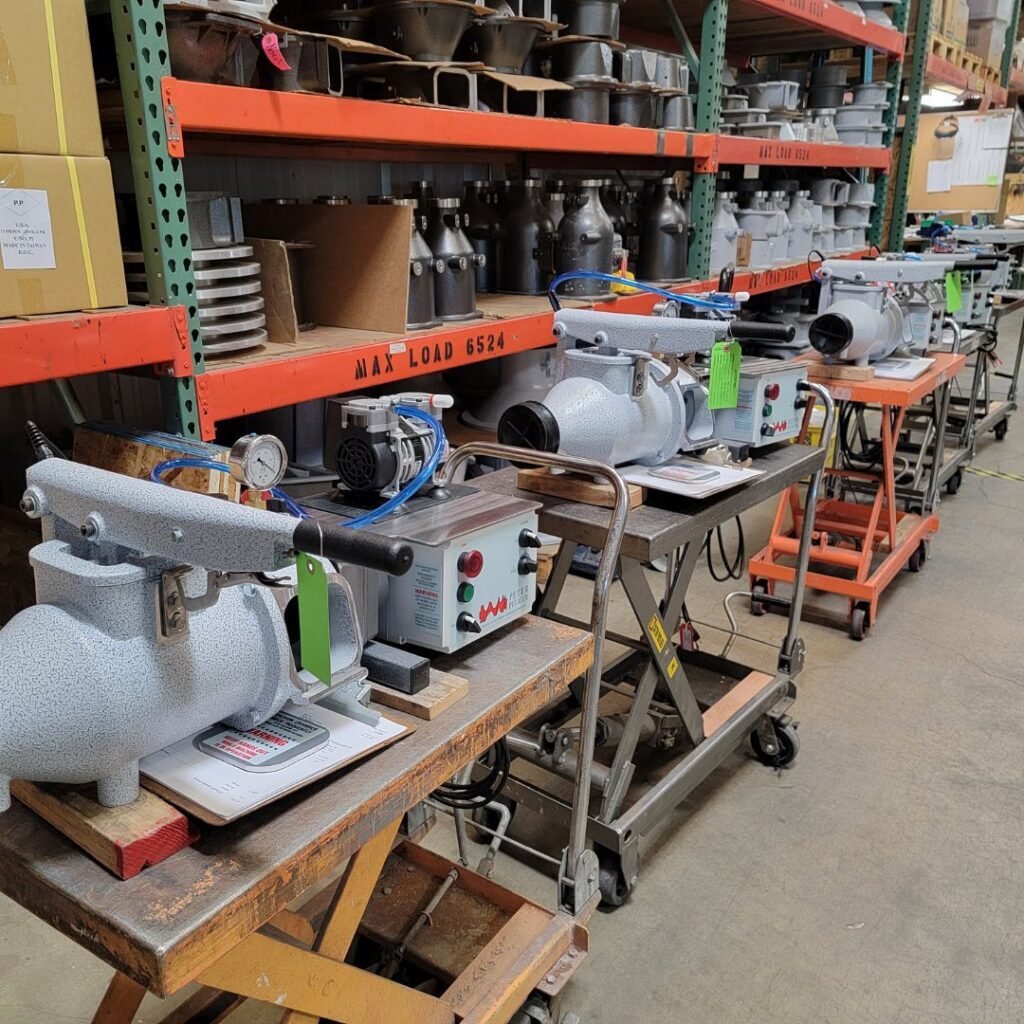
The VPM-7 handles a 14-pound batch at a time. It has a pugging rate of 350 pounds per hour and a mixing rate of 100 pounds per hour. It runs on a compact 1/2 HP motor. A built-in vacuum pump handles de-airing, all in a footprint small enough for a tight studio corner.
Why Classroom Volume Changes the Math
One potter working consistently might generate a pound or two of scrap per session. A classroom with 10 or 15 students working at once generates that same volume many times over. This often happens in a single class period.
The VPM-7’s 14-pound batch size isn’t the real bottleneck here. The real issue is how often you’d need to reload and rerun the machine. Keeping up with a room full of active students takes real time. A teacher running the VPM-7 continuously through back-to-back classes is asking a single-potter machine to do a shared-studio job.
Best Fit for a Teacher: Depends on Class Size
Say you teach small classes, private lessons, or workshops with just a handful of students. The VPM-7 can genuinely keep up in that case. Larger, more frequent classes change the math, since they generate heavier daily reclaim.
Peter Pugger VPM-7SS
This stainless steel version of the VPM-7 suits potters working with white clay bodies, where rust resistance matters. Same 14-pound batch capacity as the standard aluminum model.
Best Fit for Larger Teaching Studios: Peter Pugger VPM-60
A genuinely larger machine, built to handle 140 pounds per batch with a pugging rate of 1,500 pounds per hour. This is a real step up from the VPM-7’s single-potter scale. It’s the more realistic choice for a busy teaching studio running multiple classes a week.
A Middle Option Worth Considering: Peter Pugger VPM-20SS
If the VPM-7 feels too small but the VPM-60 feels like more than you need, this model sits in between. It still runs on standard 120V power, which keeps the electrical side simple. It also offers more batch capacity than the VPM-7 for a moderately busy classroom.
Classroom Safety Features Worth Knowing
The VPM-7 shuts off automatically when the lid is opened, which matters more in a classroom than a solo studio. Students moving in and out of a shared station benefit from that automatic safety cutoff. It removes the chance of someone reaching in while the machine is still running.
The mixing chamber can be removed with just four bolts for cleaning. In a shared teaching setting, multiple students load and unload the same machine. Being able to fully clean the chamber between clay bodies matters more here. That’s especially true compared to one potter working at home. The same goes for cleaning at the end of a class period.
What to Actually Track Before Deciding
Weigh your studio’s real scrap output for a few weeks before choosing a size. Many teachers overestimate or underestimate this number without actually measuring it, and the real figure changes which machine makes sense.
Consider how many students are actively reclaiming clay in a typical week, not just how many are enrolled. A large roster with light individual reclaim habits may generate less total scrap than a smaller, more production-focused class.
A Practical Middle Ground
Some teaching studios run a VPM-7 style machine specifically for student use during class. They handle larger studio-wide reclaim separately, either through a bigger machine or a scheduled batch process after hours. This splits the load instead of asking one small machine to do everything at once.
Setting Up Your Studio’s Pug Mill Station
Pug Mill Stand for VPM-7, VPM-9, and VPM-20
A dedicated stand keeps a compact pug mill stable at a comfortable working height. This is useful in a classroom setting, where multiple students will use the same station throughout the day.
Ready to Find the Right Fit for Your Classroom?
Browse our complete pug mill collection to compare capacity and pricing across every model we carry.
