
A pug mill needing repair usually shows warning signs well before it fails completely. Pulsing extrusion, unusual noise, and a motor drawing more current than normal are the clearest signals. Catching these early prevents a small fix from turning into a full rebuild. Most of these signs are easy to spot once you know what to watch for.
This guide covers the real warning signs. It covers what causes them, and when a problem is serious enough to stop using the machine.
Pug Mill Needs Repair Sign One: Pulsing or Uneven Extrusion
Clay should come out of the die in a smooth, steady column. Pulsing, surging, or visible swirl marks in the clay usually point to worn clearance. That wear sits between the auger flight and the barrel wall.
As this clearance opens up with wear, material slips backward over the auger instead of advancing cleanly. This is one of the earliest visible signs of internal wear. It often shows up before any other symptom appears.
Sign Two: Rising Motor Amperage
A motor that draws more current than it used to is a real warning sign. This matters most at the same speed and with the same clay recipe. It’s telling you something has changed inside the machine. This is called amperage drift. It’s a real, trusted early warning sign used in factory pug mill upkeep.
Write down your machine’s normal amp draw when it’s running well. Check it now and then against that number. A steady upward drift, even a small one, is worth a closer look before it turns into a bigger problem.
Sign Three: Unusual Noise
Grinding usually points to wear between moving parts that no longer clear each other well. Rattling often means a loose bolt or part shaking during use. Banging is the most serious of the three. It often signals a broken or off-center part inside.
Any of these three sounds is worth stopping the machine to investigate. Don’t keep running it and hope the noise goes away on its own.
Sign Four: Reduced Throughput
Say your pug mill is taking noticeably longer to process the same batch size it used to handle quickly. Wear is the most likely cause. On production-scale equipment, this kind of wear can reduce throughput by 10 percent or more once clearances open up significantly. This applies to a compact machine like the VPM-7SS just as much as a larger one.
Track how long a typical batch takes under normal conditions. A gradual slowdown over weeks or months is a real signal. This holds true even if no single session feels obviously different from the last.
What Causes Most of This Wear
The auger tip wears unevenly, mostly near the die where pressure is highest. This is simply where the machine works hardest, so wear shows up there first.
Normal gap between the flight tip and barrel wall stays fairly tight on most studio-scale machines. Once that gap opens up well past its original spec, material starts slipping instead of moving forward. This is exactly what produces the pulsing and swirl marks described above.
When Your Pug Mill Needs Repair Right Away
Banging noises, a breaker that keeps tripping, or any exposed wiring are reasons to stop immediately. These aren’t signs to monitor over time. They point to problems that risk further damage or genuine safety issues if the machine keeps running.
A pug mill’s built-in breaker exists specifically to shut the machine down under abnormal conditions. If yours trips repeatedly, don’t just reset it and continue. Figure out why it’s tripping first.
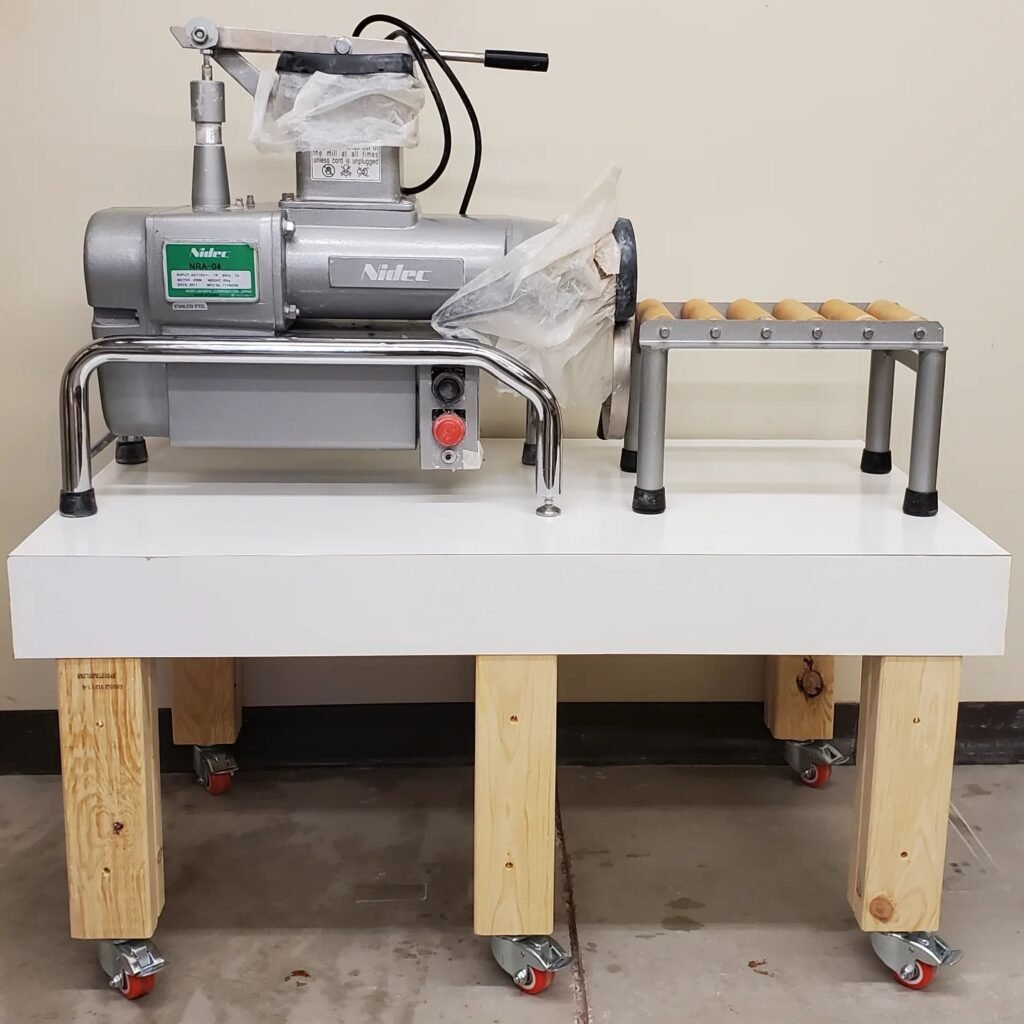
Right-Sized Pug Mill Built to Last: Peter Pugger VPM-20SS
Built with the same vacuum de-airing engineering Peter Pugger has refined for decades. Real parts and support are available when maintenance eventually comes up.
Higher Capacity Option: Peter Pugger VPM-30
A larger machine for studios processing heavier volume. It’s backed by the same manufacturer support that makes diagnosing and repairing issues straightforward down the road. For even higher volume, the Peter Pugger VPM-60 steps up further. It’s built for studios running through clay at a much faster pace.
Keeping Small Problems Small
Clean the chamber after every use. Never let clay dry inside the machine between sessions. Regular cleaning stops much of the buildup and uneven wear that leads to bigger repairs later.
Check your model’s manual for oil intervals. Follow them even if the machine seems fine. A little upkeep now is always cheaper than an emergency fix later. That’s true on a pug mill just like any other piece of studio gear.
When to Call a Professional vs. Fix It Yourself
Cleaning, basic lubrication, and clearing the occasional clog are jobs most potters can handle themselves with the manual on hand. This holds true whether you’re running a compact VPM-20SS or something larger. These tasks rarely require special tools or training.
Internal wear on the auger or barrel, electrical issues, or anything involving the motor itself is a different matter. These repairs often call for the manufacturer’s own service team or an experienced technician. Guessing wrong on an electrical fix carries real safety risk.
Why Manufacturer Support Matters Here
Some pug mill brands, especially budget imports, offer little to no parts availability or service support once something breaks. This turns even a minor repair into a real headache, since replacement parts may not exist for your specific machine. See our guide to common pug mill issues and fixes for more on the problems that come up most.
A trusted manufacturer with a real parts pipeline makes repairs far more manageable when they eventually come up. Every machine eventually needs some kind of maintenance over its working life.
Ready for a Dependable Pug Mill?
Browse our complete pug mill collection to find a model built for years of reliable use.
