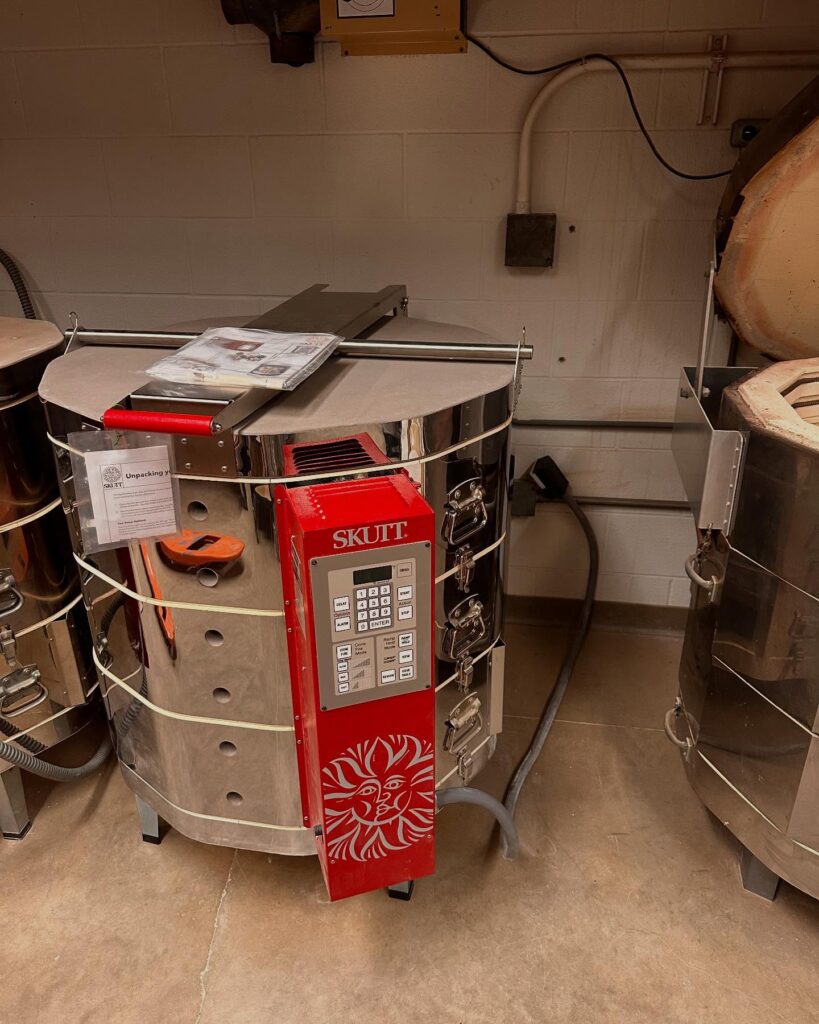
Pottery Studio Safety Equipment: What Every Home Studio Needs in 2026
More people are setting up pottery studios at home than ever before, and safety awareness is finally catching up. Silica dust, kiln fumes, and repetitive strain are real risks that many new potters don’t think about until something goes wrong. Studio safety equipment is one of the fastest-growing categories in pottery right now, and for good reason.
This guide covers the equipment that actually protects you during daily studio work, and what to prioritize first if you’re building out a home setup.
Why Studio Safety Is Getting More Attention
Pottery has grown quickly as a hobby over the past few years, and a lot of new potters are working in small home spaces without proper ventilation. Silica dust from dry clay and glaze materials is a known respiratory hazard, and it builds up in a closed room faster than most people expect.
Kiln firing adds another layer of risk. Fumes released during firing need somewhere to go, especially in a garage or basement studio without existing airflow. As more studios move into converted home spaces, proper ventilation and protective equipment matter more than they did when most potters worked in open community studios.
Kiln Ventilation: The First Thing to Address
A vent system pulls fumes away from your kiln during firing and routes them outside instead of letting them build up in your studio air. This matters most in enclosed spaces like garages, basements, or spare rooms without windows on multiple walls.
If you’re firing regularly in an enclosed space, a vent system isn’t optional. It’s the single most important safety addition for anyone running a home kiln.
Respiratory Protection for Dry Clay and Glazes
Mixing dry clay, sanding bisque ware, and handling powdered glazes all release fine particles into the air. A proper respirator rated for fine particulates protects your lungs during these tasks, which happen in nearly every studio regularly.
Simple dust masks from a hardware store don’t filter fine enough for silica dust. Look for a respirator rated N95 or higher, and always wear it during dry clay mixing or glaze preparation.
Protecting Your Hands and Wrists
Repetitive strain is a slower, quieter risk than dust or fumes, but it adds up over years of studio work. Wedging clay by hand, throwing for hours, and trimming all put repeated stress on wrists and joints.
Equipment that reduces manual repetition, like a pug mill for de-airing clay instead of hand-wedging, directly reduces this kind of long-term strain. It’s worth thinking about safety equipment as more than just masks and gloves. The right studio equipment prevents injury before it starts.
Studio Setup Checklist for Safety
Before firing your first batch or mixing your first bucket of glaze, confirm you have the basics covered.
- Kiln vent system installed and tested before your first firing
- N95 or higher-rated respirator on hand for dry clay and glaze work
- Adequate airflow in your studio space, ideally with a window or door that opens to the outside
- Gloves for handling raw materials and cleaning up dry clay dust
- A dedicated wet-cleaning routine instead of dry-sweeping, since dry sweeping puts silica dust back into the air
Building Safety Into Your Studio From Day One
It’s easier to build safe habits into a new studio than to retrofit them later. If you’re just getting started, budget for ventilation and respiratory protection at the same time you budget for your kiln or wheel, not as an afterthought once something feels wrong.
Studios that prioritize safety early tend to stick with pottery longer. Protecting your lungs, wrists, and eyes now means you’re still able to work comfortably years from now.
Ready to Set Up a Safer Studio?
Browse our complete kiln and ventilation collection to find the right setup for your space.